- Risk Assessment: Dradis Framework
- What a vendor risk evaluation actually reveals about Dradis
- 20+ textbooks where independent authors chose to include Dradis
- Kali Linux ships Dradis by default
- Why practitioner-chosen validation is different from vendor-promoted references
- A decade at Black Hat Arsenal and major security conferences
- This matters if you need vendor stability signals
- What 19 years of continuous development produces
- Practical next steps
- Frequently asked questions
Risk Assessment: Dradis Framework
If you're running a vendor risk check on pentest management tools, you already know the standard questions: How long has the vendor been operating? Who actually uses this? Is the validation vendor-issued, or did it come from the community?
For Dradis, the answers show up in places vendors don't control: certification study guides, university curricula, the Kali Linux default toolset, and a decade of Black Hat Arsenal appearances. Not because of a marketing budget. Because practitioners kept choosing it.
This page lays out what that independent validation actually looks like, and why the distinction between practitioner-chosen and vendor-promoted matters when you're evaluating tools for a regulated team.
Key takeaways
- Dradis first shipped publicly at DEF CON 17 in 2009 and has been in continuous development since 2007, predating every commercial pentest management platform on the market today.
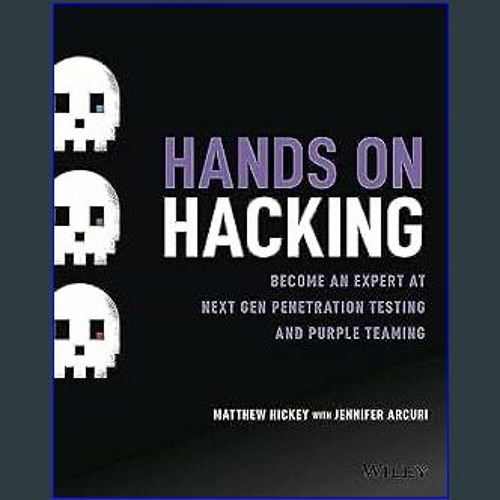
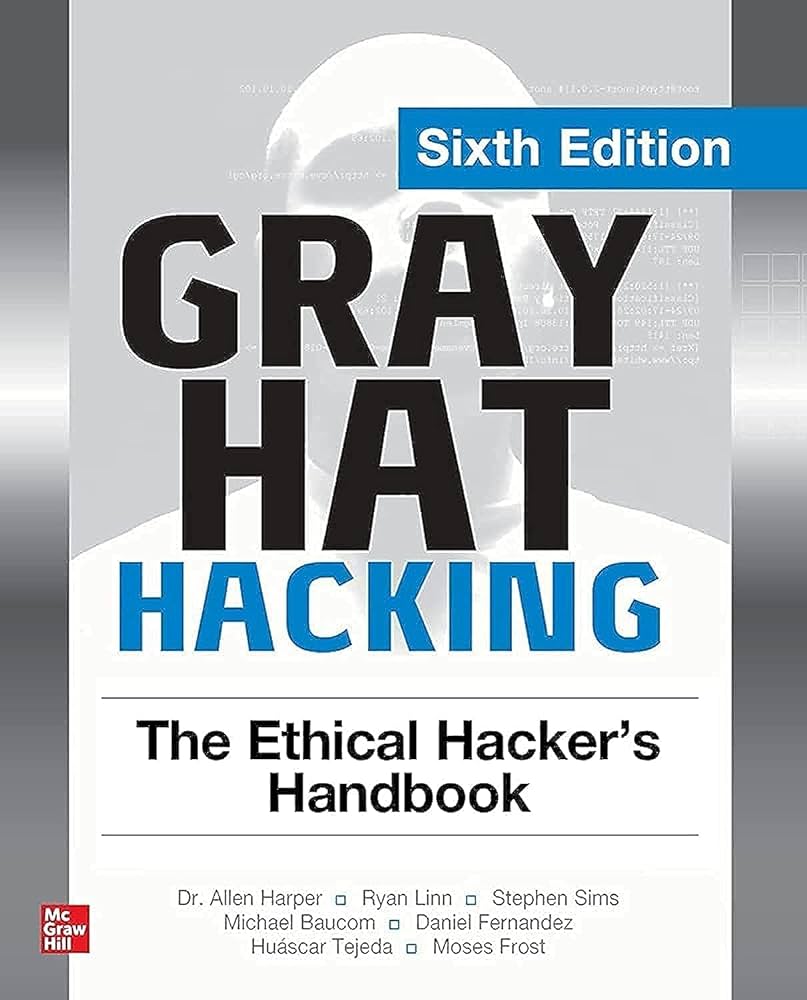
- Independent authors have cited Dradis in 20+ security textbooks, including the CompTIA PenTest+ Cert Guide, Gray Hat Hacking (O'Reilly), and Hacking for Dummies (8th edition, 2023).
- Dradis ships in Kali Linux by default, meaning every Kali installation includes it without the user requesting it.
- These citations are structurally different from vendor-promoted references: authors chose an open-source tool they could inspect, run, and teach without a sales relationship.
- Dradis has appeared at Black Hat Arsenal continuously from 2015 through 2021 (USA) and returned at Black Hat Asia 2025.
- The open-source core (GPLv2) means the platform cannot be deprecated against your interests, and the community validation is independently verifiable.
What a vendor risk evaluation actually reveals about Dradis
The first question a regulated buyer asks about any tool isn't "what features does it have?" It's "will this tool still be here in three years, and is the adoption signal genuine?"
Dradis has been in continuous development since 2007. The first public release launched at DEF CON 17 in 2009. Security Roots, the company behind the commercial edition, was founded in 2010. That timeline means Dradis was operating before commercial competitors were incorporated, before and open-source projects were created.
Longevity alone isn't proof of quality. But 19 years of continuous public operation produces something a newer vendor cannot replicate on any timeline: a body of third-party, community-generated validation that accumulates across academic publishing cycles, distribution reviews, and conference selection committees.
Here's what that body of evidence actually looks like.
20+ textbooks where independent authors chose to include Dradis
Technical security textbooks have publishing cycles of 18 to 36 months from manuscript to shelf. An author includes a tool because it was established enough at writing time to still be relevant at publication. When the same tool appears across multiple editions of different books over more than a decade, it means independent authors are repeatedly betting their professional credibility on it.
These are not vendor-arranged placements. Each citation represents an author's independent editorial decision.
Certification and exam preparation:
- CompTIA PenTest+ PT0-001 Cert Guide (Omar Santos & Ron Taylor, ISBN 9780789760357) — a mainstream certification study guide for the CompTIA PenTest+ exam. Inclusion means Dradis is considered standard knowledge for certified pentesters.
Core reference works:
- Gray Hat Hacking the Ethical Hacker's Handbook (ISBN 9780071742566) — O'Reilly published, one of the most-referenced ethical hacking references in the industry.
- Hacking for Dummies, 8th Edition (Kevin Beaver, 2023, ISBN 9781394348121) — still cited in the current edition. Authors choosing Dradis across multiple publication cycles signals sustained relevance, not a one-time mention.
- Hands on Hacking (ISBN 9781119561453) — used in academic and training contexts.
- Metasploit Penetration Testing Cookbook (Abhinav Singh, Packt, 2012, ISBN 9781849517423) — dedicated chapter section on "Sharing information with the Dradis framework."
Penetration testing methodology and workflow:
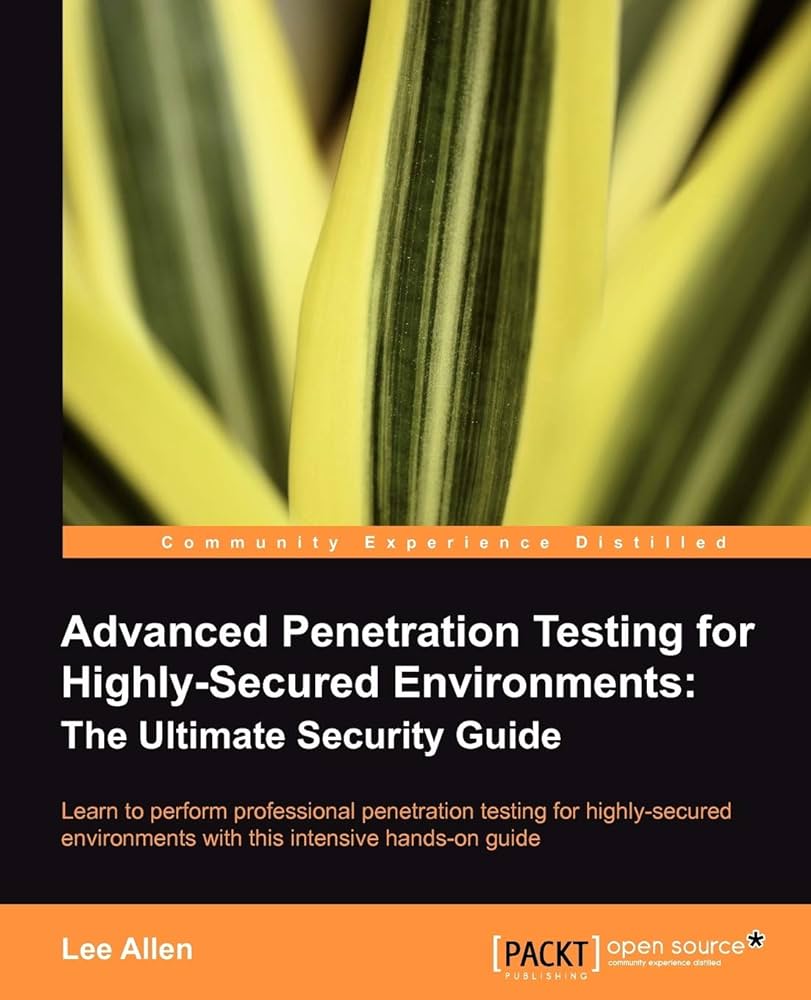
- Advanced Penetration Testing for Highly-Secured Environments (Lee Allen, ISBN 9781784395810) — targeting practitioners working in high-security settings.
- Hands-On Web Penetration Testing with Metasploit (Packt, 2020, ISBN 9781789953527) — includes a section on defining security testing methodology in Dradis.
- Penetration Testing: A Survival Guide (Wolf Halton & Bo Weaver, ISBN 9781787289888)
- Kali Linux - An Ethical Hacker's Cookbook (Himanshu Sharma, Packt, 2017, ISBN 9781787121829) — dedicated section on generating reports using Dradis.
- Hacking of Computer Networks: Certified Ethical Hacker (Dr. Hidaia Mahmood Alassouli)
Infrastructure and network security:
- Hacking Exposed Industrial Control Systems (ISBN 9781259589713) — ICS/SCADA security, demonstrating reach beyond standard web application testing.
- Network Vulnerability Assessment (ISBN 9781788627252) — vulnerability management workflow context.
- Securing Network Infrastructure (Sairam Jetty & Sagar Rahalkar, Packt, 2019, ISBN 9781838642303) — Dradis covered as a standard reporting tool for infrastructure assessments.
Distribution and OS-specific:
- BackTrack 4: Assuring Security by Penetration Testing (ISBN 9781849517744)
- Kali Linux 2018: Assuring Security by Penetration Testing (ISBN 9781785888427)
- Kali Linux 2018: Windows Penetration Testing, 2nd Edition (Wolf Halton & Bo Weaver, Packt, 2018, ISBN 9781788997461) — notable that the same authors cited Dradis in two separate books, each written for different audiences.
Social engineering and lateral domains:
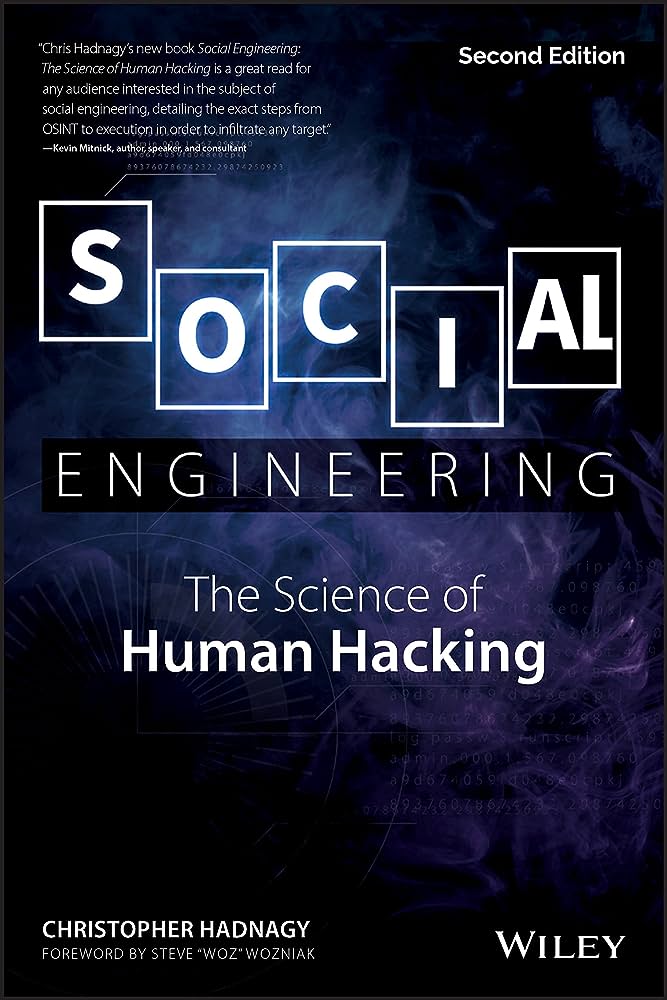
- Social Engineering: The Science of Human Hacking (Christopher Hadnagy, ISBN 9780470639535) — a citation in a social engineering text means the tool's reputation extends beyond its primary domain.
- The Social Engineer's Playbook (Jeremiah Talamantes, ISBN 9780692306611)
- Learn Social Engineering (Dr. Erdal Ozkaya, Packt, 2018, ISBN 9781788837927) — another social engineering text independently choosing to include Dradis.
Academic and research:
- Computational Science and Technology (ISBN 9789811082757) — conference proceedings citing Dradis in a research context.
Academic papers (peer-reviewed):
Dradis has also been cited in IEEE Xplore (Penetration Testing: Concepts, Methods, and Strategies), the ISSA Journal's Toolsmith column, and multiple peer-reviewed papers including research on red teaming service-learning courses, information assurance assessments, and cloud vulnerability assessment methodologies.
The number continues to grow. A single search on O'Reilly's learning platform returns results across books published from 2012 through 2020 — a span of eight years of independent editorial decisions. And these are only the citations discoverable through online search; print editions that predate digital distribution may contain additional references.
Featured in Leading Security Books

Kali Linux ships Dradis by default
Kali Linux is the dominant operating system for penetration testing. Its maintainers curate the included toolset with a practitioner lens — tools are included because they are actively used, maintained, and worth shipping to every person who installs the OS.
Dradis is included in Kali Linux by default (kali.org/tools/dradis/). This is a separate validation signal from textbook citations. Distribution inclusion means the tool passed review by a team whose job is to decide what working pentesters actually need, and that it continues to meet that bar across Kali releases.
Evaluating Dradis for a regulated team? See how the self-hosted, open-source model compares to cloud alternatives in the Cloud vs Self-Hosted comparison.
Included In


Why practitioner-chosen validation is different from vendor-promoted references
A SaaS vendor can accumulate press mentions and sponsored placements. Those have value, but the epistemology is different.
When Dradis appears in a textbook, it's because an author chose an open-source tool that practitioners could inspect, run, and teach without entering a sales relationship. The open-source core (GPLv2) is what makes these citations credible in a way that proprietary tool citations are not: the community validated Dradis independently because they could look at the code, deploy it themselves, and form their own judgment.
For a regulated buyer evaluating vendor risk, this distinction matters. You're not checking "does anyone use this" — you're checking "is the validation authentic?" Practitioner adoption of an inspectable, open-source tool answers that differently than vendor-promoted case studies for a closed platform.
This is also why the validation compounds. Each new textbook edition, each Kali release, each conference appearance adds to a body of evidence that exists independently of Security Roots' marketing. A vendor can stop marketing. They can't un-write the textbooks.
A decade at Black Hat Arsenal and major security conferences
Conference selection committees make independent decisions about which tools to showcase. Dradis's conference record spans the full history of the project:
- DEF CON 17 (2009): First public presentation. Daniel Martin presented "Sharing Information Will Get You Root."
- Black Hat Arsenal: Continuous presence from 2015 through 2021 at Black Hat USA events, plus Black Hat Europe 2016 and 2017. Returned at Black Hat Asia 2025. That's appearances across a full decade, selected each time by the Arsenal review committee.
- BSides London: Workshop presentations in 2013, 2014, 2015, and 2016.
- Black Hat Training: Daniel Martin taught "Web Application (In)Security" at Black Hat from 2008 through 2014.
Institutional training adoption:
- Cisco Network Academy: The Ethical Hacker course references Dradis as part of its curriculum.
- O'Reilly Learning: Advanced White Hat Hacking and Penetration Testing (Ric Messier) — a video training course available on O'Reilly's platform that covers Dradis as part of its penetration testing workflow.
- Simplilearn Post Graduate Program in Cyber Security and Udemy Advanced Ethical Hacking courses include Dradis in their tool coverage.
Presented at Security Conferences


This matters if you need vendor stability signals
This page is for you if:
- You're running a vendor risk assessment on pentest management tools and need evidence beyond the vendor's own marketing materials
- You need to justify a tool choice to procurement, compliance, or management with independent validation
- You're comparing Dradis against tools that launched in the last 5 years and want to understand the longevity difference
- You need a platform where the open-source core means your data and workflows survive regardless of the vendor's business continuity
You can skip this page if:
- You're a solo tester looking for the fastest path to generating a report — the product pages are more relevant
- You don't have regulatory or procurement constraints on vendor evaluation — you can go straight to a demo
- You're comparing specific features — the comparison pages handle that directly
What 19 years of continuous development produces
The longevity argument isn't just about survival. Continuous development since 2007 means Dradis has processed feedback from the broadest range of security teams in the industry: boutique consultancies, Fortune 10 enterprises, government agencies, teams of 1 and teams of 130+.
That breadth produces compounding returns. Scanner integrations have handled more edge cases from more tool versions. The reporting engine has been stretched by more document formats and client requirements. The Issue Library has been refined by teams across 75 countries. Each engagement makes the platform better — and because Dradis is self-hosted and open-source, that accumulated expertise belongs permanently to the teams that built it, not to a vendor's cloud.
For teams evaluating long-term vendor risk: the open-source core means that even if Security Roots ceased operations, the tool and your data would continue. That's a guarantee no cloud-dependent platform can make.
Practical next steps
- Review the full citation list at the bottom of this page — ISBNs and links for independent verification
- Run the comparison: see how Dradis stacks up against cloud alternatives on data sovereignty, deployment, and open-source transparency
- Inspect the code yourself: the Community Edition is open-source on GitHub under GPLv2
- Understand what's different about local AI: Dradis Echo runs AI-assisted reporting via Ollama on your own hardware
Frequently asked questions
How long has Dradis been in development?
Dradis has been in continuous development since 2007. The first public release was presented at DEF CON 17 in 2009. Security Roots, the company behind the commercial edition, was founded in 2010. That makes Dradis the longest-running dedicated pentest reporting and collaboration platform on the market.
Is Dradis included in Kali Linux?
Yes. Dradis ships in Kali Linux by default and is listed on the official Kali tools page at kali.org/tools/dradis/. Every Kali installation includes Dradis without the user needing to install it separately.
How many books reference Dradis?
Over 20 security textbooks cite Dradis, spanning certification guides (CompTIA PenTest+), core reference works (Gray Hat Hacking, Hacking for Dummies), penetration testing methodology books, network security texts, and social engineering references. These citations span from 2012 through 2023, representing over a decade of independent editorial decisions by different authors and publishers.
What happens to my data if Security Roots stops operating?
Dradis Community Edition is open-source under GPLv2. Your instance, your data, and your customizations run on infrastructure you control. If Security Roots ceased operations, you could continue running, modifying, and maintaining your Dradis deployment indefinitely. This is structurally different from cloud-dependent platforms where the vendor going dark means the product disappears.
Why does textbook citation matter for a pentest tool?
Technical security textbooks have 18-to-36-month publishing cycles. When an author includes a tool, they're betting their professional credibility that the tool will still be relevant when the book reaches shelves. When 20+ different authors make that bet independently across more than a decade, it's a signal of sustained, community-validated relevance that no marketing campaign can manufacture.
How is Dradis different from cloud-based pentest management platforms?
Dradis is self-hosted and open-source (GPLv2). Your pentest findings never leave infrastructure you control. The platform runs on-premises, in private clouds, on secure laptops, or fully air-gapped with no internet connectivity. Cloud-based alternatives route your findings through vendor-controlled infrastructure. For a detailed comparison, see the Cloud vs Self-Hosted comparison page.
Ready to evaluate Dradis for your team? See how it compares to cloud alternatives, or request a walkthrough to see the platform with your own data.