Russell Butturini
Security Architect
Global Healthcare Company
When your team spends 3-5 hours every week copying scanner outputs, consolidating findings, and manually generating executive reports, you're paying the "hidden cost" of using generic tools for specialized security work.
Dradis eliminates this operational overhead while improving documentation quality and accelerating risk visibility to leadership.
| Capability | Generic Tools (Jira/Confluence) | Dradis |
|---|---|---|
| Scanner data import | Manual copy-paste from tool outputs | Automated import from 47+ scanners with deduplication |
| Security-specific workflows | Build workflows from scratch for CVE tracking, CVSS scoring, and finding status | Security workflows with CVE, CVSS, and remediation tracking built in |
| Executive reporting | Manual report generation based in copy/pasting out of the tool. | One-click reports in Word, Excel, or HTML |
| Compliance frameworks | No built-in methodologies | OWASP, PTES, NIST, and more, included by default |
| Audit preparation | Generic audit trails not designed for security | Purpose-built evidence collection and traceability |


Trusted by security teams in 81 countries
The Remediation Tracker streamlines the handoff from security testing teams to the DevOps and system owners responsible for remediation.
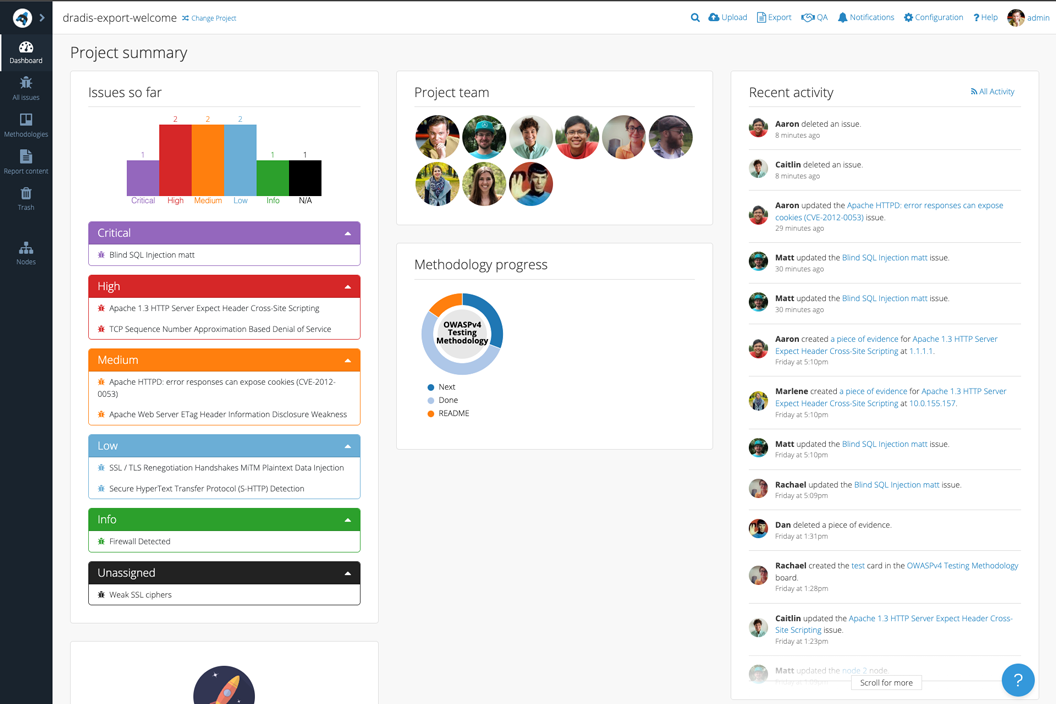
Dradis keeps all testing activities organized in one platform.
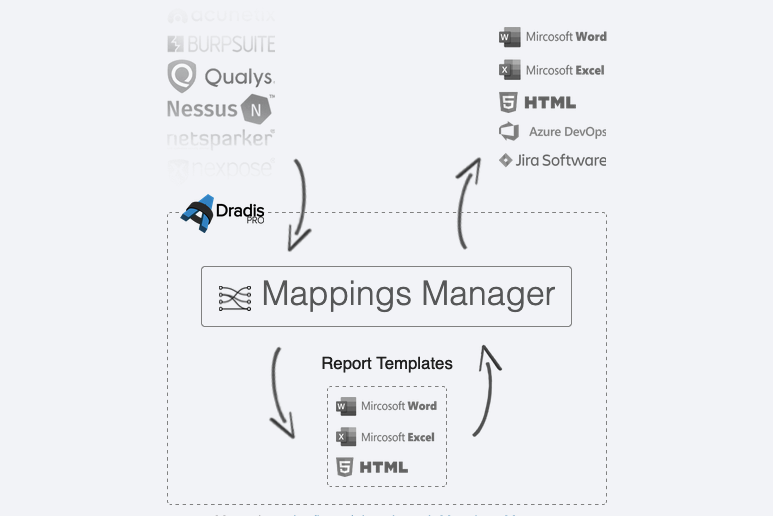
Dradis becomes your central hub for security testing data - connecting seamlessly with the tools your team already uses.
Unlike rigid, closed platforms, Dradis is designed to fit into your existing security ecosystem.
Dradis accelerates every step of the risk reporting workflow.
Dradis Business Intelligence transforms your testing data into metrics that demonstrate security program value.
Continuously developed since 2007. A proven platform with a long track record. We've been through every shift in the security landscape.
Trusted by cybersecurity experts in 81 countries. Join hundreds of teams who rely on Dradis daily to manage security testing and risk reporting.
Self-funded since day one means we answer to you, not investors. Your feedback drives development. We're focused on solving your problems.
Dradis ensures consistent, compliant security documentation across all assessments.
Self-hosted deployment means your security findings never touch third-party infrastructure.
Simplify compliance: Sensitive findings never leave your infrastructure. Perfect for critical infrastructure testing and high-security environments requiring offline operation.
🇪🇺 EU teams: understand what NIS2 Article 21 means for your pentest tooling.
Review pentest data sovereignty for a summary of the implications and why architecture matters more than policy.
Go from identification to remediation. Sync with Jira, Azure DevOps, or ServiceNow to stay on the same page.
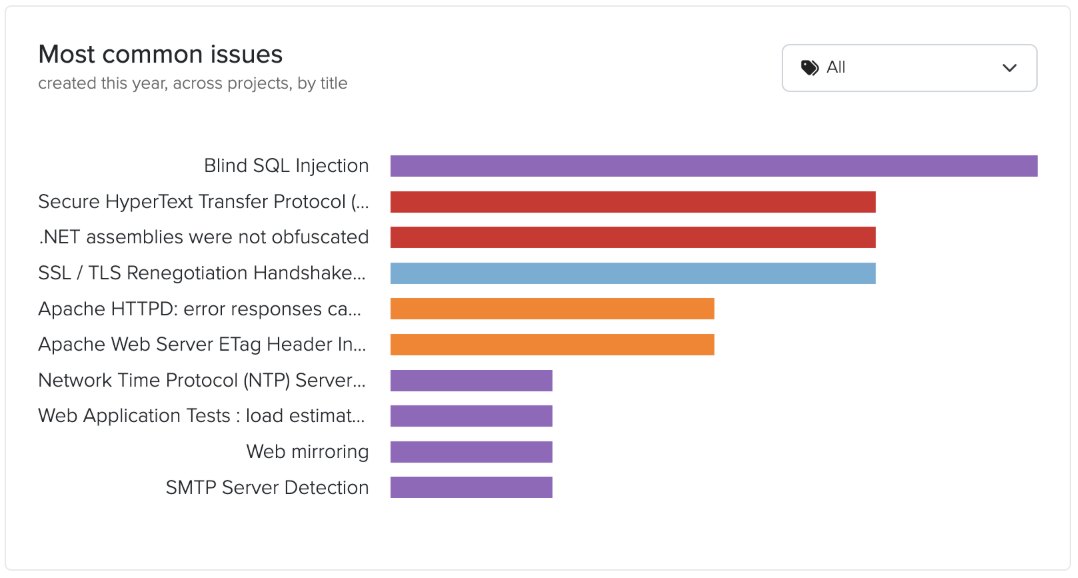
Analyze findings across projects. Collect and visualize metrics to find the insights that drive business decisions.
Instead of keeping your checklists in a shared folder somewhere, have them pre-loaded in your project.
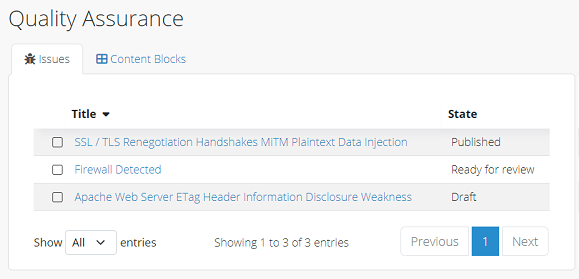
Built-in QA features allow you to review items before publishing, enabling team-wide reviews within Dradis.
Create and manage issue description writeups for your most common findings. Reuse them across projects and teams.
Configure how data from tools like Nessus, Burp, and Qualys is parsed when uploaded into Dradis.
Both options work, and you can mix them. Dradis has a built-in Remediation Tracker, so findings move through remediation states (open, in progress, fixed, accepted risk) inside the same platform where they were documented, with no external ticketing system required.
When you do want findings in your team's ticketing system, Dradis generates Jira, Azure DevOps, or ServiceNow tickets directly from findings, and the link between the finding and the ticket is preserved so status stays visible from the assessment record.
Use the built-in tracker for findings that don't justify a full ticket, and push the rest to the system your DevOps and system owners already live in.
Because generic tools weren't built for security work, and forcing them to do it has a hidden cost. Teams routinely spend 3-5 hours a week copy-pasting scanner output, consolidating findings, and hand-building executive reports because Jira has no concept of a scanner import, CVSS scoring, or deduplicated findings.
Dradis imports from 47+ scanners automatically, deduplicates, applies security-specific workflows (CVE, CVSS, finding status) out of the box, and generates reports in one click.
Dradis doesn't replace Jira; it sits in front of it. You do the security testing and reporting in Dradis, then push the fixes that need engineering work into Jira or ServiceNow as tickets.
The Remediation Tracker is built around the handoff from the testing team to the people responsible for the fix. Generate a Jira, Azure DevOps, or ServiceNow ticket directly from a finding and the system owner receives full context (description, evidence, affected hosts, and remediation guidance) rather than a one-line summary.
You assign ownership, set due dates, and track who is responsible for each finding. Status updates flow back so you can monitor remediation in real time and report on resolution timelines without chasing people over email.
You can also post to Slack or Teams, or trigger SOAR playbooks, via webhooks and the REST API when a critical finding is identified or a status changes.
Dradis Business Intelligence turns your testing data into the metrics leadership asks for: quantified risk reduction and vulnerability trends year over year, which teams or infrastructure areas carry the most recurring risk, and board-ready dashboards showing critical findings, remediation progress, and open risk exposure.
For audits, Dradis is purpose-built for evidence collection and traceability rather than the generic audit trail a general project tool gives you. Built-in methodology templates (OWASP, PTES, NIST) keep every assessment audit-ready by default.
QA and approval workflows let compliance or legal sign off before anything is shared with stakeholders.
Yes, and for internal security teams this is often the deciding factor. Dradis is self-hosted: it runs on-premises, in your own cloud account, or in an air-gapped environment, so your findings never touch third-party infrastructure.
There is no vendor access to your data and no external dependency for security operations, which keeps sensitive findings inside your compliance boundary and meets data residency requirements (including NIS2) without a cloud carve-out.
This is a structural difference from cloud SaaS tools: a hosted platform sends your data to infrastructure the vendor controls, whereas with Dradis the data stays where your other security work already lives.
Loading form...
Your email is kept private. We don't do the spam thing.